
Estimated reading time: 5 minutes
Table Of Content
Understanding the Power of Narrative in Politics
The Trump administration’s reputation management strategy centered on narrative dominance. Unlike traditional approaches that leaned on third-party validation, Donald Trump and his team opted to frame their own version of events through relentless repetition and direct-to-audience messaging.
Need help with this? Our personal reputation repair service can handle it for you, starting with a free, confidential review and a firm quote before any work begins.
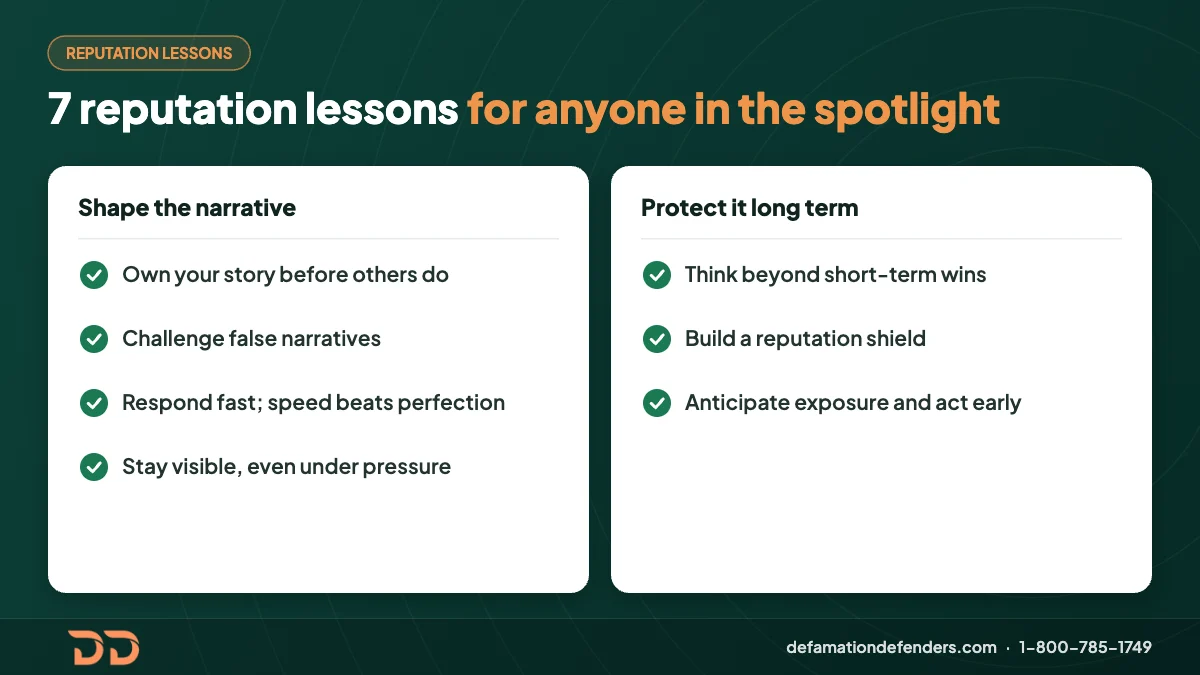
Lesson 1: Own Your Story Before Others Do
One of the primary tools employed was the use of Twitter to directly address the public. This bypassed traditional media gatekeepers and allowed for immediate narrative control. Businesses and professionals can apply this by maintaining active blogs, verified social media, and regular press releases.
“If you don’t tell your story, someone else will.”
Key Takeaway: Use your own platforms to control your messaging early and often.
Want this content gone? Get a free, confidential quote.
Send us the links. Most removals are done in a few days to a few weeks, with a full refund if we can't complete the agreed removal.
The Role of Conflict in Public Perception
Another cornerstone of the Trump communication style was the strategic use of conflict. Adversaries were clearly identified and framed as part of a larger battle. While divisive, this method solidified his base and drove engagement.
Lesson 2: Don’t Be Afraid to Challenge the Narrative
When facing a smear campaign or mischaracterization, silence is not always golden. Refuting claims—professionally and persistently—can help correct public perception. However, avoid inflammatory language that may escalate backlash.
Rapid Response and Controlling the News Cycle
The administration was known for flooding the news cycle with multiple stories, often overwhelming the media’s ability to focus on one narrative.
Lesson 3: Speed Trumps Perfection in Crisis Management
By the time traditional press outlets fact-checked or criticized statements, a new headline had replaced it. This technique can be mirrored in crisis PR strategies: respond quickly, even if the response is brief. Follow up with deeper clarification as needed.
Example: During allegations or media scrutiny, issue a brief response within 24 hours, and follow with a longer FAQ or video statement within 72 hours.
Weaponizing Media Coverage
While traditional politicians tried to avoid negative headlines, Trump used them to his advantage. By staying in the headlines, even through controversy, he dominated attention and remained top-of-mind.
Lesson 4: Visibility Is Vital—Even Under Pressure
Suppressing negative content is important, but so is maintaining a steady stream of positive media coverage. Create authoritative, keyword-optimized articles that highlight accomplishments, testimonials, and trust signals.
Resources:
Missteps and Overreach: Where Strategy Backfired
Despite the effectiveness of some tactics, others damaged long-term credibility. Frequent use of hyperbole, misstatements, or attacks on institutions weakened trust among independent observers.
Lesson 5: Short-Term Wins Can Create Long-Term Risk
Balancing aggressive narrative control with verifiable information is key. Fact-checking your own posts and maintaining transparency helps mitigate future fallout.
Leveraging Supporters and Third-Party Voices
The Trump administration’s influencers—media commentators, social media personalities, and aligned public figures—amplified narratives. Businesses can build similar ecosystems with brand ambassadors, satisfied clients, and industry experts.
Lesson 6: Build a Reputation Shield
Encourage reviews, case studies, and testimonials on platforms like:
Protecting Personal Reputation Online
From leaked tax returns to controversial press briefings, Trump’s team faced frequent reputational threats. In response, they often shifted attention, questioned credibility of the source, or doubled down on their narrative.

Lesson 7: Anticipate Exposure and Act Proactively
Regularly audit your online presence and remove outdated, vulnerable, or misleading content. Tools and services like:
help individuals and businesses reduce exposure.
The Role of Legal Strategy
Threats of legal action, cease and desist letters, and defamation lawsuits were used both defensively and offensively.
Lesson 8: Use Legal Options to Set Boundaries
If reputational attacks cross into libel, harassment, or privacy violations, work with attorneys and services like Defamation Defenders to issue takedown notices or initiate civil litigation.
Restoring Reputation After a Smear
When scandals broke, the administration often pivoted to policy wins or red-meat issues that excited their base. This “redirect and reinforce” tactic is valuable in professional branding.
Lesson 9: Focus Attention on Value-Driven Outcomes
Highlight community involvement, certifications, awards, or key results to refocus attention on strengths.
The Role of Polarization in Influence
The Trump era showcased how tapping into polarized audiences can amplify influence. By rallying strong supporters, even at the cost of alienating others, the administration reinforced a resilient, loyal brand.
Lesson 10: Understand Audience Loyalty vs. Broad Appeal
In reputation management, understand whether your goal is to expand reach or deepen loyalty. Tailor your messaging accordingly and never sacrifice core values for temporary attention.
Defamation Defenders: Your Ally in Reputation Recovery
Whether you’re a public figure, entrepreneur, or private individual, facing public scrutiny can feel overwhelming. Defamation Defenders offers proven strategies for content suppression, PR recovery, and online brand defense.
We provide:
- Online defamation takedown services
- SEO-based content suppression
- Brand repair consulting
- Reputation monitoring and threat detection
📩 Request a Free Consultation Now
FAQ: Trump-Era Reputation Strategy Insights
Direct audience engagement and owning your narrative early—particularly through social media and PR.
Combine evidence capture, legal support, rapid response, and SEO suppression for full-spectrum defense.
Yes. Tactics that disregard truth or transparency can backfire. A strategic, ethical approach is more sustainable.
Yes. If content violates platform terms, includes defamatory statements, or contains personal data, we can help request removal or suppression.
Regular monitoring, profile claiming, publishing original content, and working with professionals to manage crises proactively.
Transparency, consistent communication, positive press, and visible change or action plans are essential to regaining credibility.
Leverage LinkedIn, YouTube, Medium, and news features through PR outreach to reframe the narrative and demonstrate thought leadership.
MLA Citations:
- Pew Research Center. “Public Trust in Government: 1958–2023.” https://www.pewresearch.org
- Legal Information Institute. “Defamation.” Cornell Law School. https://www.law.cornell.edu/wex/defamation
- FEMA. “Emergency Planning Exercises.” Ready.gov. https://www.ready.gov/business
- OptOutPrescreen. “Opt-Out from Credit Offers.” https://www.optoutprescreen.com/
- Google. “Remove Content From Google.” https://support.google.com/websearch/troubleshooter/3111061
Related Contents:
Want this content gone? Get a free, confidential quote.
Send us the links. We'll reply with a firm quote and timeline. Most removals are done in a few days to a few weeks, with a full refund if we can't complete the agreed removal.
Pay-after-removal options · 4,000+ clients served · 4.9/5 on Google
Prefer to talk? Call 1-800-785-1749
