
Estimated reading time: 6 minutes
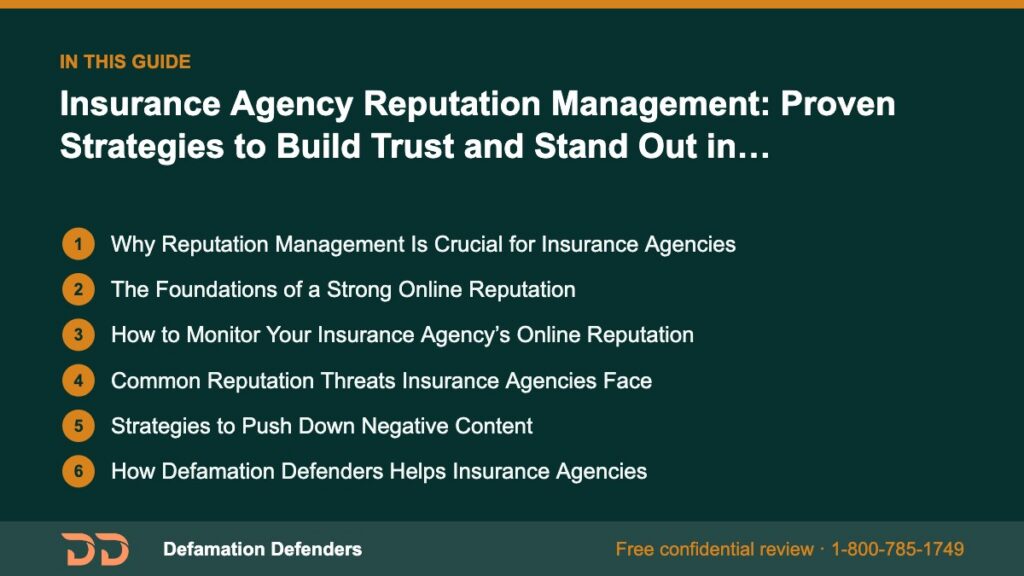
Table Of Content
Why Reputation Management Is Crucial for Insurance Agencies
Trust is the currency of the insurance world. Whether you’re a life insurance agent, P&C firm, or independent broker, your reputation influences everything—from client acquisition to long-term retention. One negative review or misleading article on page one of Google can cost your agency thousands in lost leads and eroded client confidence.
Need help with this? Our business reputation management service can handle it for you, starting with a free, confidential review and a firm quote before any work begins.
According to BrightLocal’s Local Consumer Review Survey, 87% of consumers read online reviews for local businesses—including insurance agencies. If they see unresolved complaints, accusations, or low-star ratings, they often look elsewhere.
That’s where proactive insurance agency reputation management becomes essential. It’s about monitoring online perception, resolving issues, and strategically amplifying positive brand signals.
Want this content gone? Get a free, confidential quote.
Send us the links. Most removals are done in a few days to a few weeks, with a full refund if we can't complete the agreed removal.
The Foundations of a Strong Online Reputation
Before diving into tactics to repair or enhance your image, it’s essential to understand the foundational pillars that support a robust reputation:
1. Consistent Branding Across All Platforms
Your NAP (Name, Address, Phone number) must be consistent across:
- Google Business Profile
- Yelp, BBB, and industry-specific directories
- LinkedIn and Facebook pages
- Your website’s contact and footer sections
Inconsistent listings can confuse search engines and erode trust.
2. Client-Centric Communication
Ensure agents are trained to handle client concerns with empathy and promptness. How you treat one client—especially online—sends signals to hundreds more.
3. Transparent Business Practices
Ensure compliance with regulatory standards (like those from NAIC or your state insurance board), provide clear policy documentation, and make claim processing as transparent as possible.
How to Monitor Your Insurance Agency’s Online Reputation
You can’t manage what you don’t measure. Reputation management starts with real-time monitoring:
- Google Alerts: Set alerts for your agency’s name, top producers, and key partners.
- Social Media Listening Tools: Use platforms like Hootsuite or Brand24.
- Review Monitoring Platforms: Keep tabs on Google, Yelp, Trustpilot, and industry-specific review sites.
Common Reputation Threats Insurance Agencies Face
Understanding the threats helps you mitigate them before they escalate:
- Negative Reviews from disgruntled claimants or prospects
- Fake Reviews posted by bots or competitors
- Unflattering News Coverage from lawsuits or compliance investigations
- Misinformation about policy offerings, pricing, or claim denials
Strategies to Push Down Negative Content
1. Publish High-Authority Content
Maintain a consistent blog strategy covering:
- Insurance tips and advice
- FAQs on life, home, or auto policies
- Interviews with agency leadership
- Industry updates and regulation changes
This fresh content can rank above negative articles and dilute their visibility.
2. Strengthen Your Google Business Profile
- Collect new 5-star reviews monthly
- Add high-quality photos
- Update services, hours, and location
- Respond to every review, good or bad
3. Build and Maintain Branded Assets
Create multiple content hubs to dominate SERPs:
- A branded YouTube channel with educational videos
- Medium.com or Substack blog posts
- Quora answers under your agency name
- Business listings on BBB, Manta, and Crunchbase
4. Press Releases and News Syndication
Use newswires to publish press releases about:
- Community involvement
- New policy offerings
- Charitable sponsorships
These get picked up by local news sites and help push negative links off page one.
5. Use Schema Markup for Trust Signals
Add LocalBusiness schema on your website so Google can read your business information more effectively and display it in featured snippets.
<script type="application/ld+json">
{
  "@context": "https://schema.org",
  "@type": "InsuranceAgency",
  "name": "Your Insurance Agency Name",
  "url": "https://youragency.com",
  "address": {
    "@type": "PostalAddress",
    "streetAddress": "123 Main St",
    "addressLocality": "City",
    "addressRegion": "State",
    "postalCode": "00000"
  },
  "telephone": "+1-555-555-5555"
}
</script>
How Defamation Defenders Helps Insurance Agencies
At Defamation Defenders, we specialize in:
- Search result suppression for negative content
- Removal requests for slanderous or false information
- Review management systems that automate feedback and generate positive ratings
- SEO content campaigns to flood search engines with favorable content
Contact us now to speak with a reputation expert about your insurance agency’s needs.

Tactics to Garner Authentic Positive Reviews
- Send a review request email after claim resolution
- Offer a QR code on business cards or signage linking to your review page
- Use tools like Grade.us or Birdeye to manage and track feedback
Never buy fake reviews—Google’s algorithm is adept at detecting manipulation and will penalize your listing.
The Power of Thought Leadership
Publishing articles on platforms like Insurance Journal or Forbes Agency Council positions your firm as an authority and pushes down less credible content.
Encourage your agents to:
- Post insights weekly on LinkedIn
- Host webinars or local workshops
- Collaborate on guest posts
Long-Term Online Reputation Maintenance
A one-time cleanup isn’t enough. Develop ongoing habits:
- Monthly content creation (blogs, video, social)
- Quarterly review audit
- Biannual press release
- Annual reputation audit by a professional
Reputation Crisis Response Checklist
If a damaging article or viral review appears, act fast:
- Document Everything – Screenshot and archive all relevant posts
- Evaluate Legality – Determine if it qualifies as defamation or slander
- Contact the Publisher – Politely request removal or clarification
- Bury with Positive Content – Launch a suppression campaign
- Seek Legal or ORM Support – Engage experts like Defamation Defenders
Frequently Asked Questions (FAQs)
It depends on the authority of the negative page, but most suppression strategies take 3–6 months for noticeable change.
Only if the review violates Google’s content policies. Otherwise, your best strategy is to respond professionally and bury it with positive feedback.
Report them via Google My Business. If the issue persists, contact a reputation management firm to document and combat review fraud.
Indirectly, yes. Branded social profiles with high engagement can increase trust and improve SERP visibility for your agency.
Yes, in certain cases. If the content is proven false or defamatory, platforms like Google may de-index the page. Defamation Defenders can assist with this process.
Start by auditing your online presence—search your agency name in incognito mode, read all reviews, and identify priority issues.
Absolutely. The cost of lost leads and reputational harm far outweighs the investment in professional protection and promotion.
Yes. Optimizing local SEO increases your visibility in local packs and organic results, helping you control what users see first.
Rarely. Content can lose ranking over time, but unless suppressed by new content or removed by the publisher, it may remain for years.
Related Contents:
Want this content gone? Get a free, confidential quote.
Send us the links. We'll reply with a firm quote and timeline. Most removals are done in a few days to a few weeks, with a full refund if we can't complete the agreed removal.
Pay-after-removal options · 4,000+ clients served · 4.9/5 on Google
Prefer to talk? Call 1-800-785-1749
